The most beautiful glacial lakes in Romania hide in cirques carved by glaciers tens of thousands of years ago, above 2000 metres, where the water stays cold and clear even at the height of summer. These are tarns that can freeze until June and shift colour with every hour of light. Below I tell you which ones are worth the walk and, more importantly, exactly how to reach each one.
The Romanian Carpathians hold more than 150 glacial lakes, concentrated mainly in Făgăraș, Retezat, Parâng and Rodna. Four of them best sum up the magic of this landscape: Bâlea, Capra, Bucura and Zănoaga. They are not the most touristy, but the ones that stay in your mind.
Lake Bâlea — the most accessible
Lake Bâlea, at 2034 m, is probably the best-known glacial lake in the country, precisely because you reach it with no effort. In summer, the Transfăgărășan climbs right to the shore, and in winter the cable car from Bâlea Cascadă runs. That same accessibility makes it crowded at midday — come early in the morning if you want quiet and clean reflections.
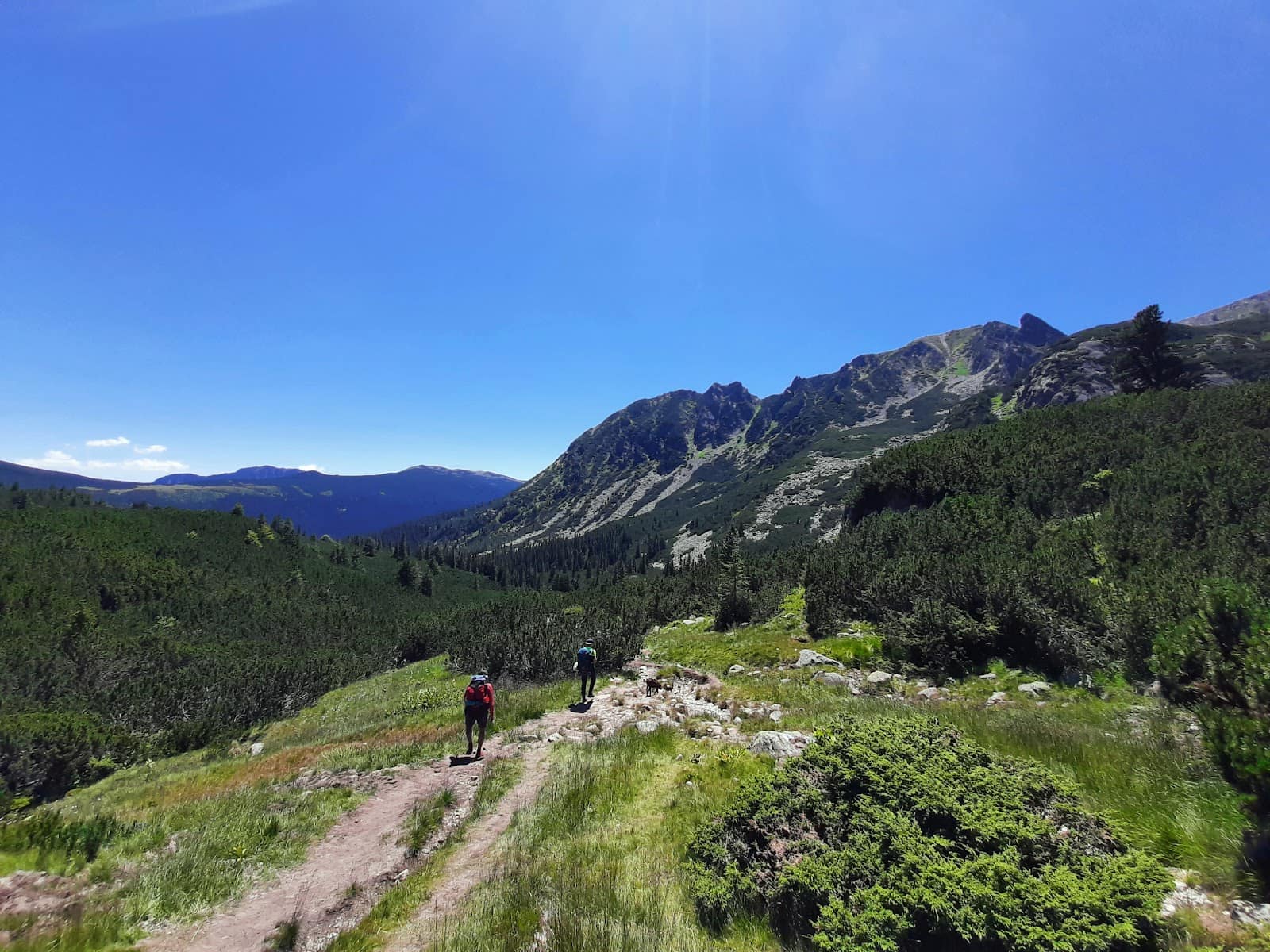
A gentle path of about an hour loops around the lake. From here more serious ridge trails also start, so it is an excellent base for a full day on the mountain.
Lake Capra — a step from Bâlea, but wilder
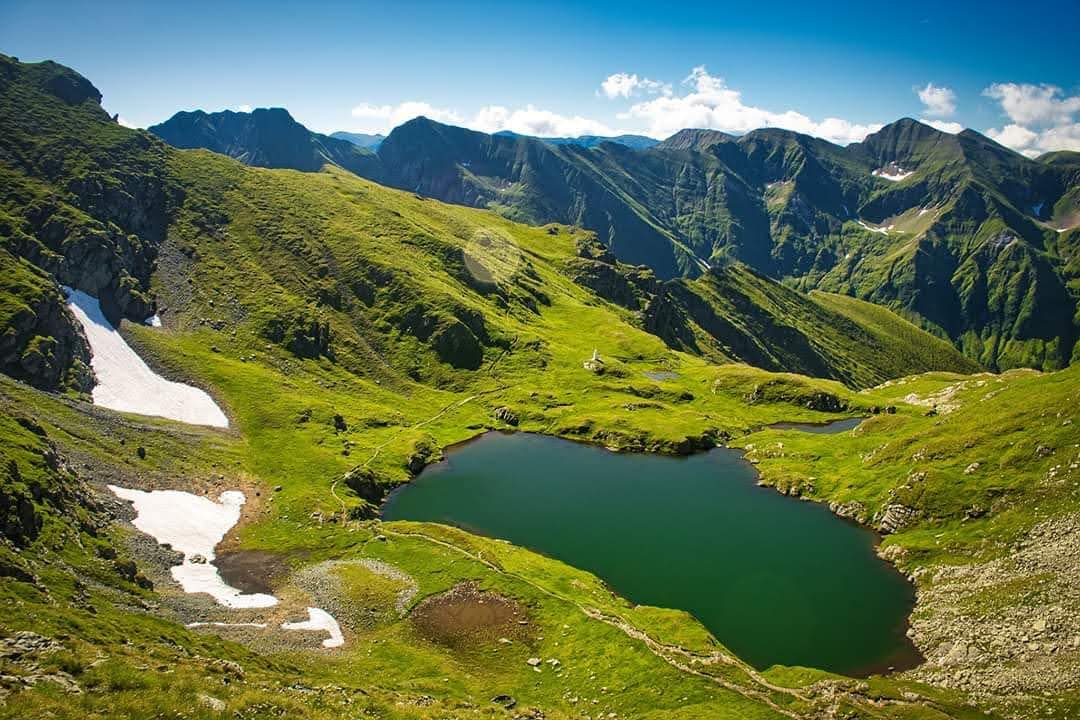
South of the pass, below Capra Peak, sits Lake Capra. Although close to the road, the atmosphere is far quieter than at Bâlea. From here the path leads to Fereastra Zmeilor and onward along the Făgăraș Ridge, and the whole region is worth exploring from the Făgăraș–Transfăgărășan area.
How to get there: from Bâlea Lac, the marked path descends below the ridge to the south; roughly an hour of easy walking. Early summer may still have snow patches on the slope.
Lake Bucura — the largest glacial lake in Romania
In the heart of Retezat, at 2040 m, Lake Bucura is the country's largest glacial lake by surface. Beside it spreads one of the finest alpine camping areas in the Carpathians, the starting point for Peleaga Peak (2509 m) on the Bucura–Peleaga trail.
Access takes effort: you usually climb from Cârnic via Poiana Pelegii, several good hours of walking. Plan a night in a tent or at a refuge. Practical details are in the Retezat guide.
Lake Zănoaga — the deepest
Also in Retezat lies Lake Zănoaga, the deepest glacial lake in Romania. More remote and less visited than Bucura, it offers almost total silence. You reach it through the cirques on the western side of the massif, on routes that demand good navigation and fitness.
Tips for a glacial-lake outing
- Leave early; storms hit the ridge in the afternoon. Check the weather.
- The lake water is cold all year; swimming is generally banned in national parks.
- Leave no litter and do not camp outside permitted zones, especially in Retezat.
- Bring warm clothes even in August — at 2000 m the temperature swing is large.
- Read the gear guide ahead of time.
Frequently asked questions
Which is the largest glacial lake in Romania?
Lake Bucura, in Retezat, at 2040 m, is the country's largest glacial lake by surface. It is also a classic starting point for Peleaga Peak. Access requires a few hours of climbing, so plan a full day or a night in a tent.
Which is the deepest glacial lake?
Lake Zănoaga, also in Retezat, is the deepest glacial lake in Romania. Being more remote, it is far quieter than Bucura. It requires good navigation and fitness to reach.
Can I reach a glacial lake by car?
Practically only Lake Bâlea, reachable in summer directly from the Transfăgărășan and in winter by cable car. The other lakes require hiking, sometimes for several hours. Check the road status and the forecast, roughly, before leaving.
When does the snow on the lakes melt?
Roughly, many glacial lakes stay partly frozen until June, and snow on the northern slopes sometimes lingers later. The safest conditions are in July–September. Always check the local forecast.
Is swimming allowed in glacial lakes?
In national parks such as Retezat, swimming is generally banned to protect the ecosystem. The water is very cold all year anyway. Respect the signs and the park rules.