Transfăgărășan vs Transalpina is the debate that surfaces in every Carpathian road-trip plan. These are Romania's two iconic alpine roads and, although at first glance they seem interchangeable, they deliver very different experiences. This article compares scenery, altitude, traffic, season and what you can visit nearby — honestly — so you can choose with open eyes, or simply do both.
The short version, if you have no time for the rest: the Transfăgărășan is more spectacular and dramatic but busier; the Transalpina is higher, smoother and quieter. The rest depends on what you want and when you go.
Scenery: drama vs amplitude
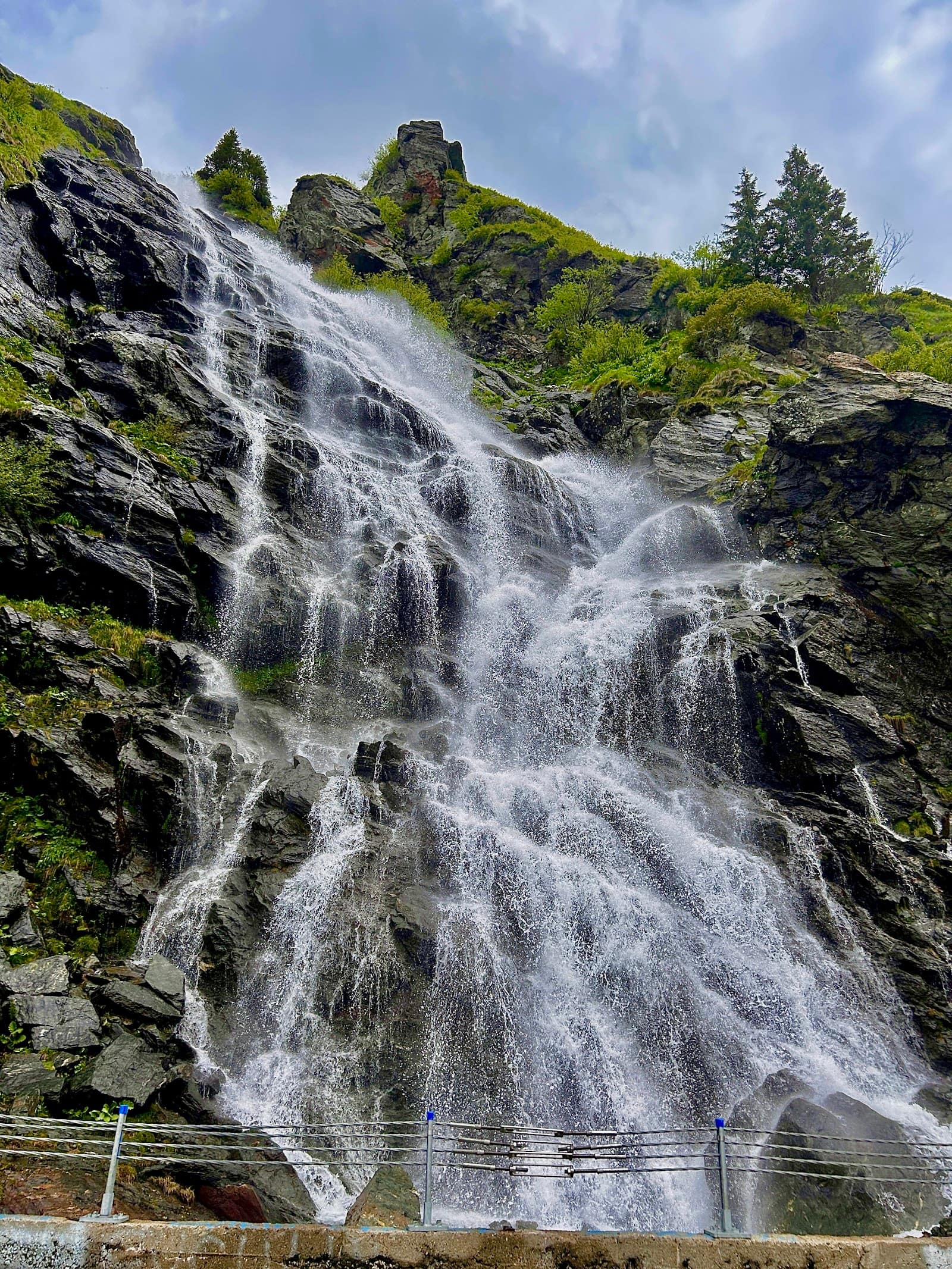
The Transfăgărășan is a show road. It climbs steeply up the northern flank of Făgăraș, with tight hairpins stacked one below another, cuts through a tunnel under the ridge and drops past Bâlea Lake and the Vidraru dam. The density of "visual moments" per kilometre is huge. It is the kind of road you recognise from a single photo.
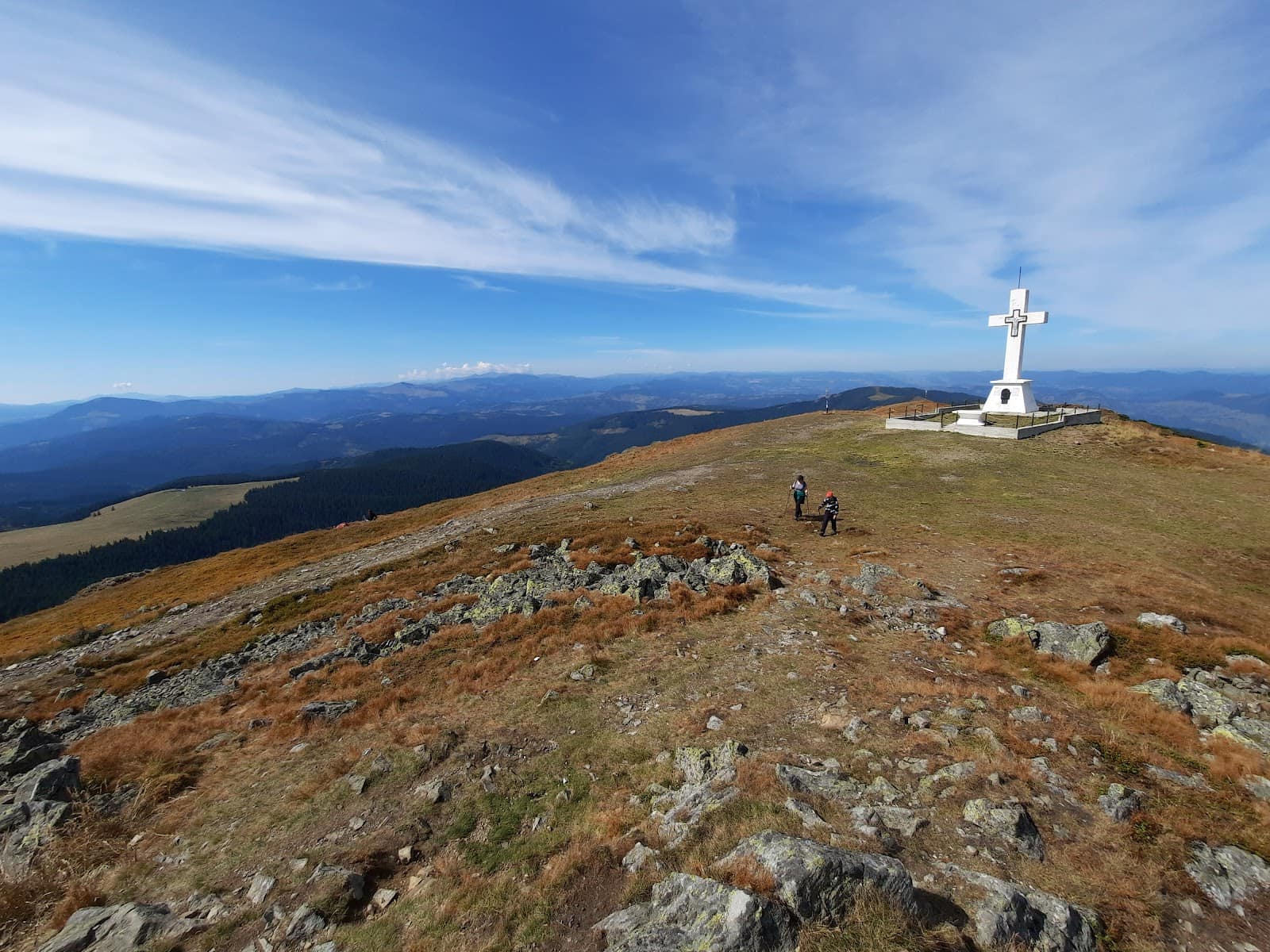
The Transalpina plays a different game. Instead of sheer walls, you get open alpine plateaus grazed by sheep, with views unfolding in every direction. Its high point, Urdele Pass, tops 2100 m — above the Transfăgărășan's maximum. The feeling is more "rooftop" than canyon: less theatrical, but broader and more serene.
Altitude and the character of the road
- Transfăgărășan: maximum around 2040-2042 m at the tunnel (approximate), with steep grades and tight hairpins, more demanding to drive.
- Transalpina: maximum above 2100 m at Urdele Pass, but with longer, smoother stretches and fewer hairpins.
In practice: the Transfăgărășan demands more attention at the wheel and is more tiring; the Transalpina is more relaxing, better suited if you travel with children or dislike tight bends.
Traffic: the big practical difference
This decides a lot. The Transfăgărășan, being famous, gets seriously crowded on summer weekends and holidays. Queues at the hairpins, full car parks at Bâlea, cars stopped chaotically for photos. To enjoy it in peace, go early in the morning or on a weekday.
The Transalpina is longer and less "touristified" along its whole length, so traffic thins out. It stays busy around Rânca and the Parâng plateau, but it rarely reaches the gridlock of the Transfăgărășan.
Season: when they are open
Both roads close in winter and usually open toward late spring, depending on snow. The dates vary year to year, so do not rely on a fixed rule.
- Transfăgărășan: the high section is usually open in summer, often from the second half of June through October (approximate).
- Transalpina: a similar season, sometimes with a slightly different window.
Always check the current state in the roads section and the forecast in the weather section before you leave. At these altitudes it can snow in midsummer, and fog can roll in within minutes.
Detailed guides
For serious preparation, we have full guides dedicated to each road: Transfăgărășan — complete guide and Transalpina — complete guide. There you will find stops, distances and driving tips.
What to visit nearby
The offer differs here too.
Around the Transfăgărășan:
- Lake and dam of Vidraru, plus Poenari Citadel.
- Bran Castle and the villages of the Bran-Moeciu-Fundata area, a reasonable distance to the east.
- Proximity to Sibiu and the Transylvanian fortified towns.
Around the Transalpina:
- Rânca resort, an excellent base for hiking in the Parâng, including toward Parângu Mare peak.
- The Oltenia monasteries and the Novaci area.
- The quiet of a less-travelled region.
The verdict: which one to pick
If you want maximum drama, instant recognition and you can tolerate crowds — Transfăgărășan. If you want higher altitude, relaxed driving, open landscapes and fewer people — Transalpina.
Ideally, do both on different days, because they tell different stories about the Carpathians. You can fold them into a bigger itinerary alongside the other panoramic roads of Romania, and if relaxation tempts you, combine the road trip with a stop at the mountain spa resorts.
Frequently asked questions
Which is higher, the Transfăgărășan or the Transalpina?
The Transalpina, with its high point above 2100 m at Urdele Pass. The Transfăgărășan reaches around 2040 m at the tunnel (approximate).
Which road is more spectacular?
Subjectively, the Transfăgărășan, thanks to its dramatic hairpins and proximity to the Făgăraș ridge. The Transalpina compensates with open alpine plateaus and quiet.
When do the two roads open?
Usually toward late spring, depending on snow, and they stay open until autumn. Dates vary annually; check the road status before you leave.
Which is less crowded?
The Transalpina, along its whole length. The Transfăgărășan gets seriously busy on summer weekends, especially around Bâlea Lake.
Can I drive both in a single weekend?
Technically yes, but they sit in different parts of the Carpathians, several hours apart. It is more relaxing to give each one a day and sleep at a guesthouse along the way.