Scenic roads in Romania are among the finest in Europe, and three of them — the Transfăgărășan, the Transalpina and the Transrarău — concentrate everything a mountain road can offer: hairpins, high passes, glacial lakes and breathtaking views. This guide compares the big ones, adds a few lesser-known routes, tells you the best season for each and proposes a road-trip itinerary.
First things first: Romania's alpine roads are seasonal. The high-altitude sections open in summer and close in winter because of snow. The dates are always approximate, so check the road status and the weather officially before each leg. A poorly chosen weekend means a closed barrier, or fog in which you can't see the next hairpin.
Romania's three great scenic roads
The Transfăgărășan (DN7C)
The country's most famous road slices through the Făgăraș Mountains with spectacular hairpins, climbing above 2,000 metres past Bâlea Waterfall and Lake Bâlea, through a tunnel under the ridge, then descending toward Lake Vidraru and its dam. It's visually dramatic — and also the busiest; in summer the weekends are stifling.
- Open: approximately late June / July to late October.
- Strong point: the northern hairpins and the concentration of sights (Bâlea, the tunnel, Vidraru).
- Full details in the Transfăgărășan guide and on the Transfăgărășan attraction page.
The Transalpina (DN67C)
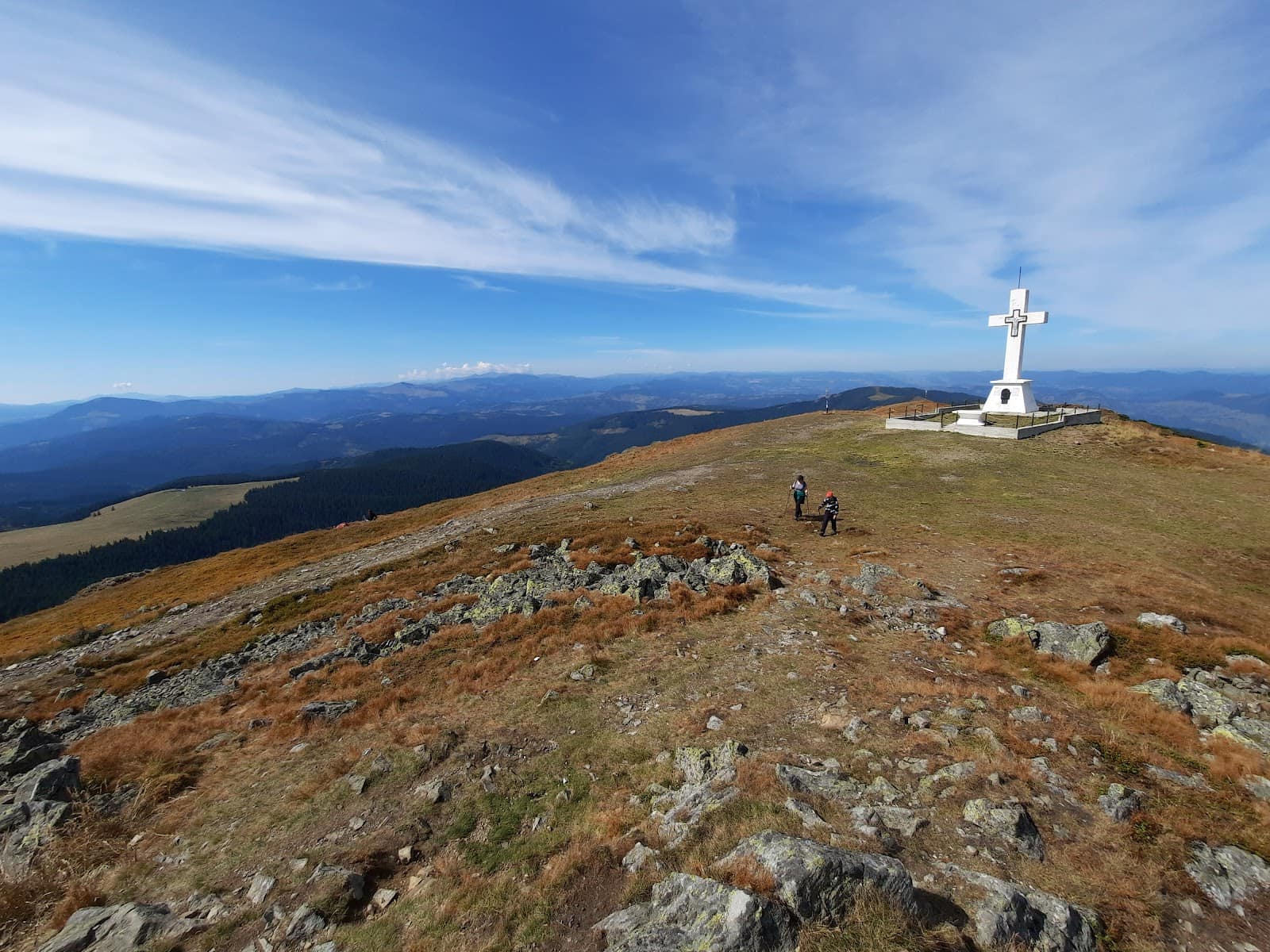
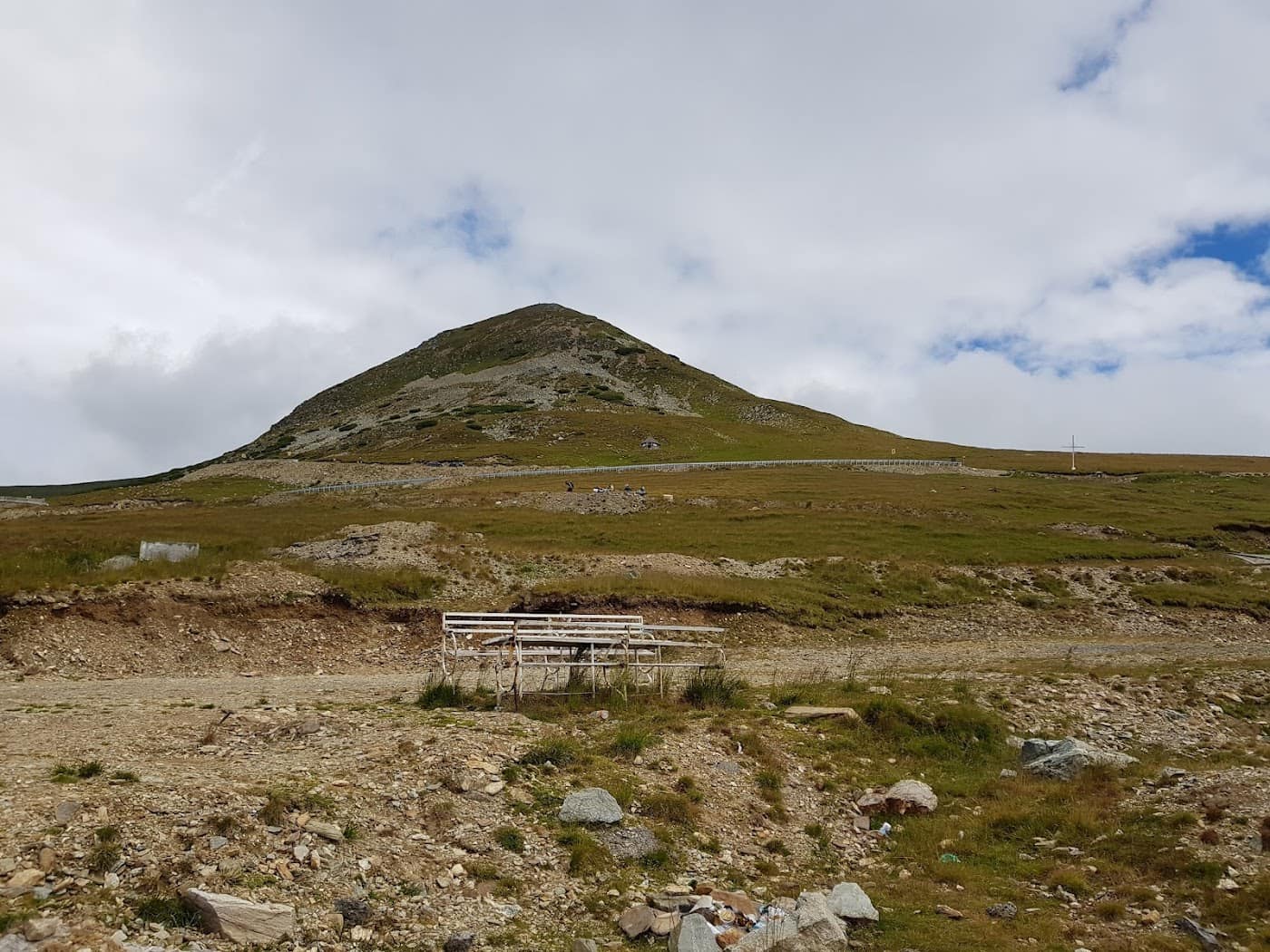
Romania's highest road climbs, over the Urdele Pass (roughly 2,145 m), across the alpine plateaus of the Parâng. Unlike the Transfăgărășan, it's a ridge road: long, open, quieter, with broad horizons. The classic route runs from Novaci, through Rânca, over Urdele, to Obârșia Lotrului and on toward Sebeș.
- Open: approximately June to late October on the high section.
- Strong point: the open alpine zone at Urdele and the "roof of the country" feeling.
- Details in the Transalpina guide and on the Transalpina page.
The Transrarău (DN17B)
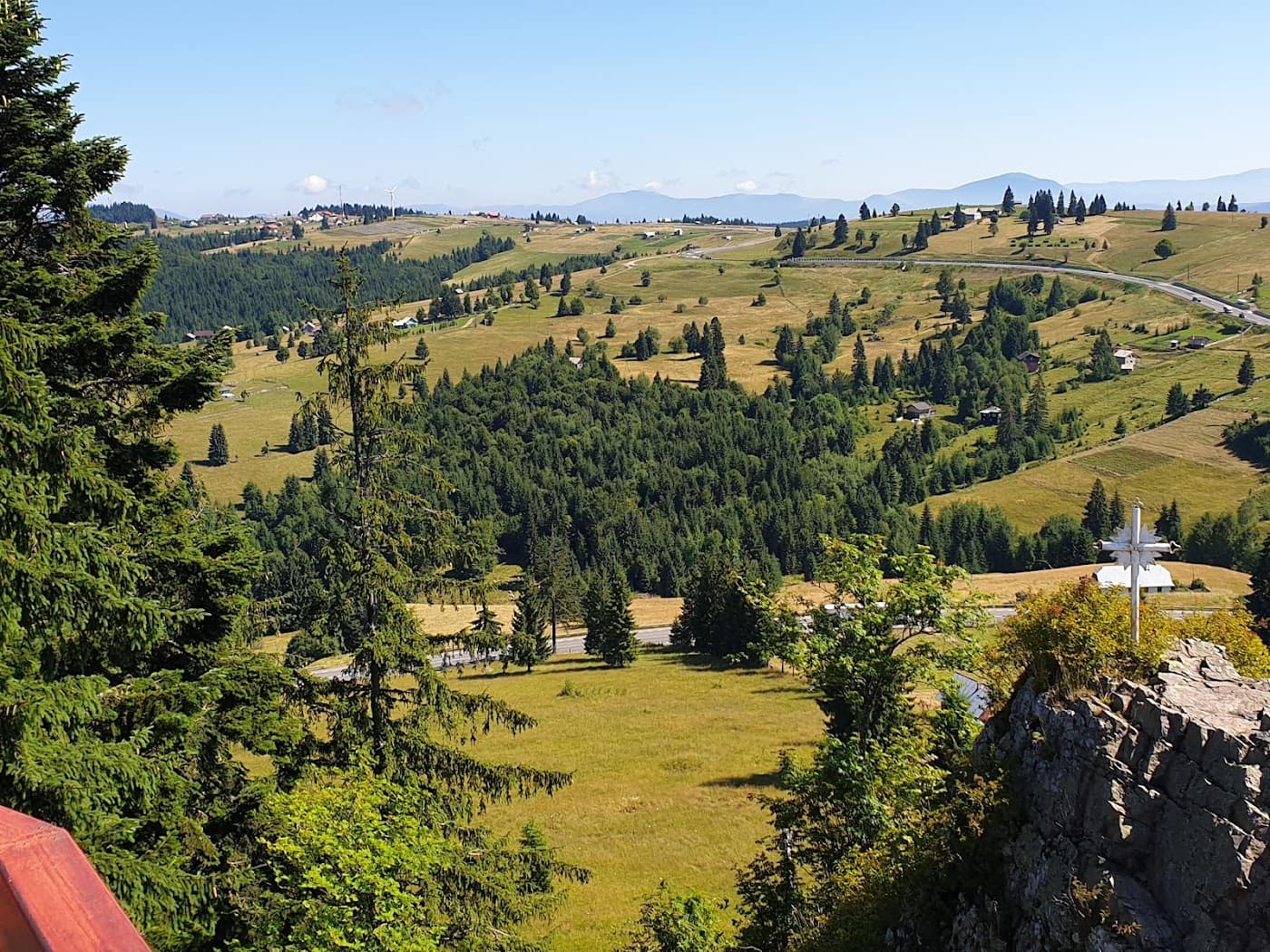
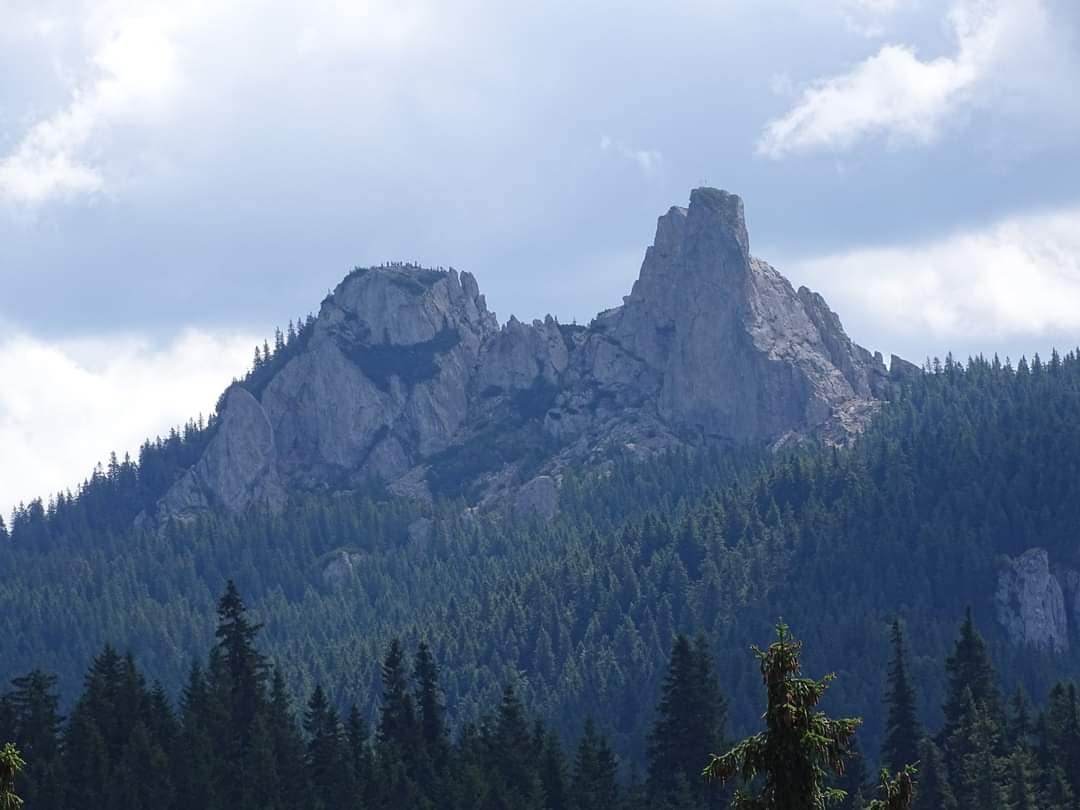
Less known but superb: the Transrarău is DN17B, the road that crosses the Rarău massif in Bucovina, linking the Câmpulung Moldovenesc area with the Bistrița valley. It climbs through spruce forest up to the Rarău plateau, from where you can see the Pietrele Doamnei rock formation. It lacks the altitude of the Transalpina but has a charm all its own — Bucovina scenery, quiet and less traffic. See more on the Transrarău attraction page and in the Bucovina – Rarău zone.
Quick comparison
- Most visually dramatic: the Transfăgărășan, thanks to its hairpins and tunnel.
- Highest and quietest: the Transalpina, with the Parâng plateaus.
- Most intimate and least crowded: the Transrarău, in Bucovina scenery.
- Busiest in summer: the Transfăgărășan, without doubt.
- Most manageable for a careful driver: the Transalpina, with gentler hairpins.
For a head-to-head between the first two, read Transfăgărășan vs Transalpina.
Lesser-known scenic roads
Beyond the big three, Romania has many mountain roads worth a detour:
- The roads of the Apuseni, linking karst plateaus and traditional villages through gorges and caves.
- The routes of Maramureș – Rodnei and the passes of Gutâi – Maramureș, with their Maramureș-gateway scenery.
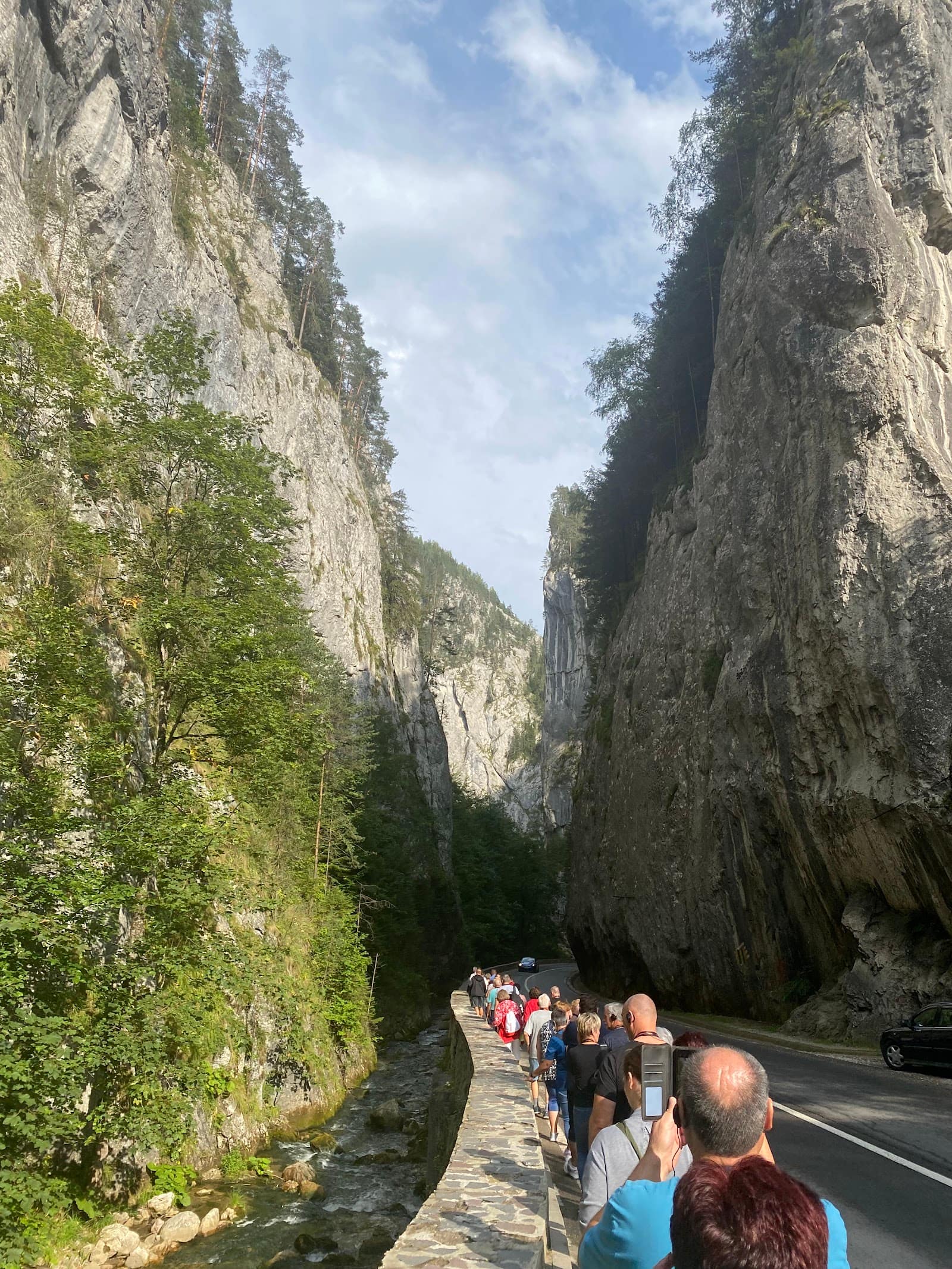
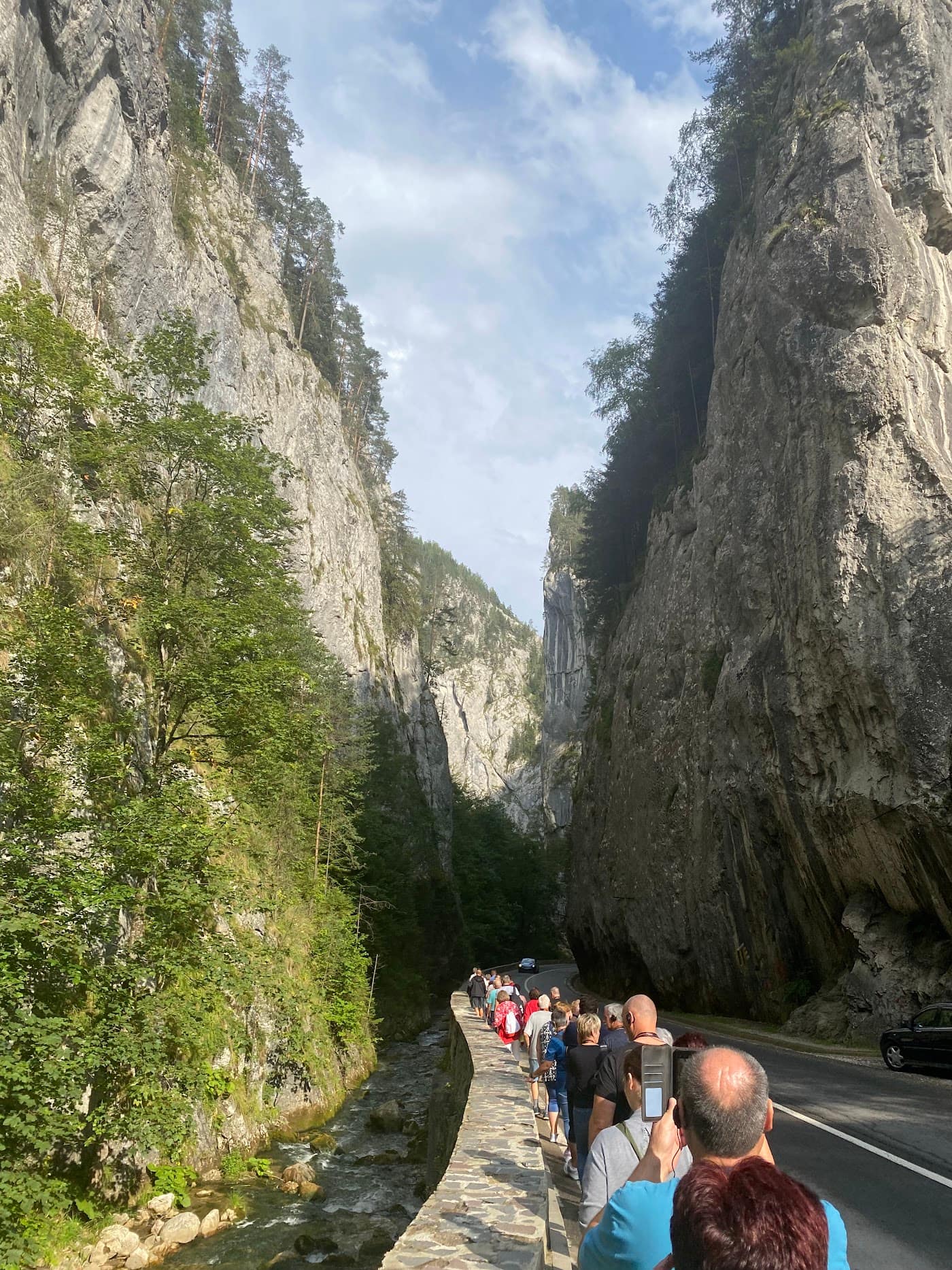
- The roads around the Bicaz Gorge, one of the country's most spectacular defiles, in the Ceahlău – Bicaz zone.
- The roads of Harghita – Covasna, through forest and past volcanic lakes.
Many of these don't have "star road" status, but that's exactly why they offer quiet and authenticity. Find them on our scenic roads filter.
The best season for each
The general rule: the high-altitude sections are accessible in summer and early autumn. But the nuances matter.
- Transfăgărășan: July–September for maximum safety; October for autumn colour, but with a risk of early closure.
- Transalpina: June–October on the high section; July–August for long days and more stable weather.
- Transrarău: drivable over a longer window because it doesn't reach extreme altitudes, but check conditions in winter all the same.
Whichever road you choose, avoid days with fog and storms. Read safety and weather in the mountains and when to go to the mountains – a guide by season to pick your timing wisely.
A 5–6 day road-trip itinerary
Here's an option that links all three roads into a logical loop without killing you with hours behind the wheel.
- Day 1: reach the Făgăraș lowlands, check in, scout the area. Confirm that the Transfăgărășan will be open the next day.
- Day 2: drive the Transfăgărășan north to south, with stops at Bâlea Waterfall, Bâlea Lac, the tunnel and Vidraru. Overnight to the south.
- Day 3: move toward the Parâng. Climb the Transalpina from Novaci, through Rânca, up to Urdele and Obârșia Lotrului. Sleep at Rânca or in the Lotru area.
- Day 4: a buffer day in the Voineasa – Vidra – Lotru area — an easy hike, relaxation, perhaps a thermal bath on the way; see thermal baths.
- Days 5–6: transit to Bucovina and drive the Transrarău (DN17B) over the Rarău massif, stopping at Pietrele Doamnei. Sleep in the Bucovina – Rarău zone.
The distances between legs are large (Făgăraș → Parâng → Bucovina), so adjust to your own pace. With fewer days, pick two of the three roads and take your time.
Preparation and logistics
- The car: brakes and tyres in good shape, fuel topped up before the alpine sections (no petrol stations up high).
- The weather: check the weather on the morning of each leg, not a week ahead.
- The road: confirm each section is open on the road status page.
- Gear: even if you're going "by car," take warm clothes and good footwear — see mountain hiking gear.
- Lodging: book ahead in season, especially at Bâlea and Rânca — see accommodation and guesthouses.
For visual inspiration, read places to photograph in the mountains — many of the best shots are right on these roads.
Frequently asked questions
What is the most beautiful scenic road in Romania?
It depends on taste. The Transfăgărășan is the most visually dramatic, the Transalpina the highest and quietest, and the Transrarău the most intimate, in Bucovina scenery. Many consider them complementary and drive all three.
Can I do all three roads in a single trip?
Yes, in a 5–6 day loop, but the distances between Făgăraș, Parâng and Bucovina are large. With less time, combine the Transfăgărășan with the Transalpina, which are closer together.
When are the high-altitude scenic roads open?
Approximately summer and early autumn. Transfăgărășan: late June – late October. Transalpina: June – late October on the high section. Always check officially on the road status page.
Is the Transrarău hard to drive?
No, it's gentler than the Transfăgărășan or the Transalpina because it doesn't reach extreme altitudes. It remains a mountain road, so it calls for attention on the hairpin stretches and caution in winter.
What gear do I need for a road trip on these roads?
First, a well-maintained car with a full tank. Then warm clothes, good footwear and an offline map. Even if you stay mostly in the car, above 2,000 metres the weather changes fast — see safety and weather in the mountains.